The Science Keeps Moving
Skin science never stands still.
New ingredients, new technologies, and new research continue to transform the way we care for the skin.
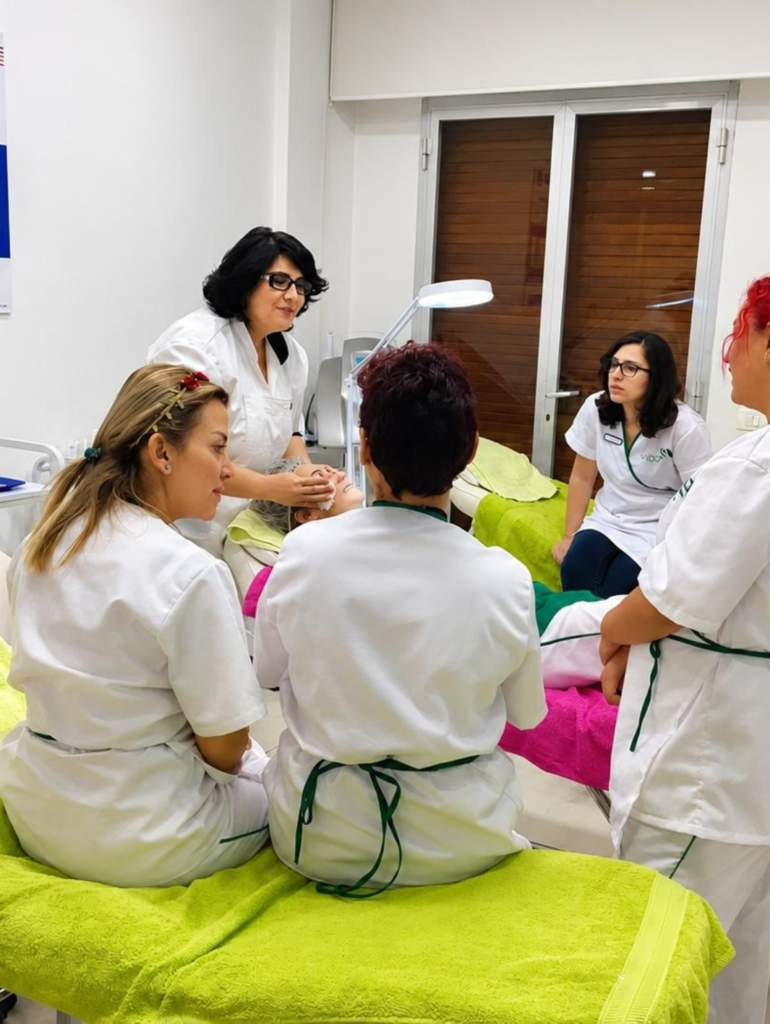
Compare a treatment room today with one from ten years ago, and you will see how far the profession has evolved.
Professionals who continue learning can offer their clients the best that modern skincare has to offer.
Clients Know More Than Before
Today’s clients are more informed than ever.
They read about ingredients, follow skincare trends, and arrive with thoughtful questions.
That is a positive change. It encourages higher standards and more meaningful conversations.
For professionals, it is a reminder that learning never stops.
Knowledge, experience, and critical thinking transform information into safe, personalised care.
Learning Keeps You Valuable
Every new qualification creates new opportunities.
It may allow you to introduce new treatments, expand your expertise, take on greater responsibilities, or grow your career in ways you never imagined.
Sometimes, one advanced course becomes the beginning of an entirely new professional path.
In this profession, learning is not an expense.
It is an investment that continues to reward you throughout your career.
In beauty, the moment you stop learning, you start falling behind, even if you continue working.
How Professionals Keep Growing
Learning does not have to be complicated.
It can include:
• An advanced course
• A specialised workshop
• Product or technology training
• An industry event
• Reading reliable scientific research
Sometimes, the greatest lessons come from asking questions of your teachers, colleagues, or anyone whose experience can teach you something new.
Professional growth rarely happens in one large step.
It happens through small, consistent steps taken over time.
The Door That Stays Open
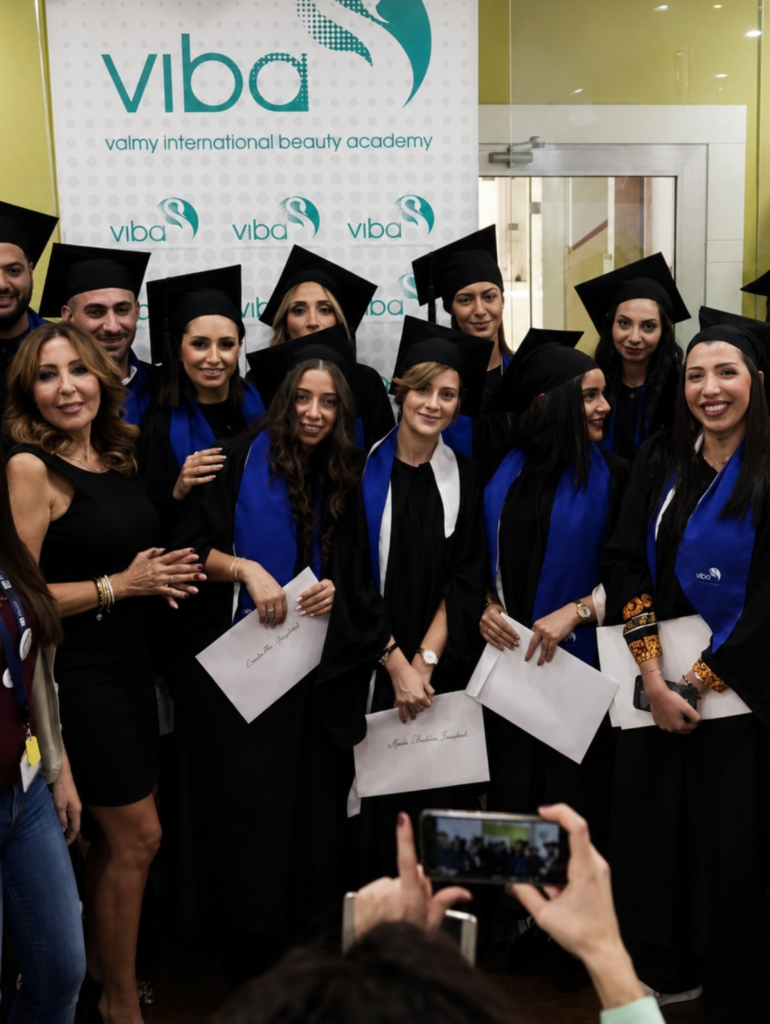
One of the greatest rewards for any academy is welcoming its graduates back.
Some return for an advanced qualification.
Others come to learn a new technology, refine their skills, or explore a new speciality.
Years may have passed, but their commitment to learning remains the same.
Education is never only about earning a certificate.
It is about building a career that continues to grow with every new experience.
The best professionals never stop learning.
We hope you never do either.
Ready to Continue Your Professional Journey?
Explore VIBA’s internationally accredited beauty courses and discover the next step in your career.
Looking for Professional Beauty Treatments?
Book your treatment at VIBA and experience care delivered by trained beauty professionals.